
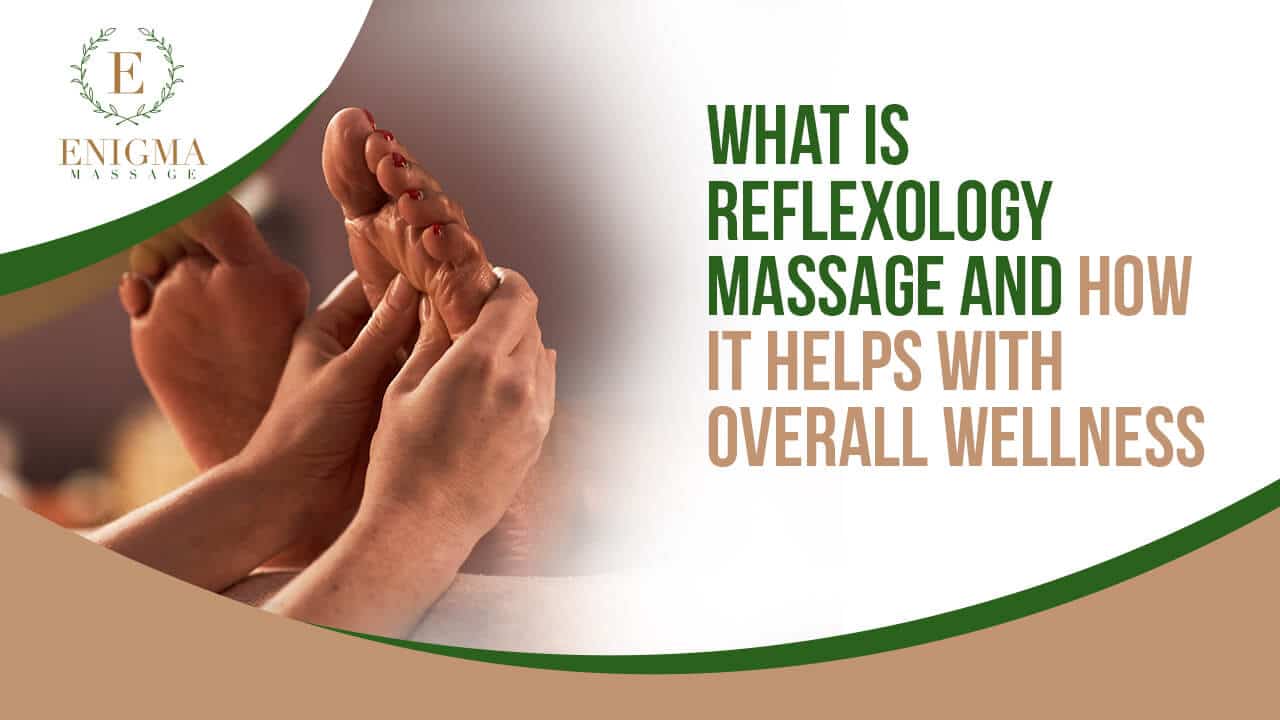
Wellness today goes far beyond treating aches and pains. Many people are now looking for therapies that support balance, relaxation, and long-term well-being. One such treatment is reflexology massage, a specialized technique that focuses on stimulating specific pressure points—most commonly on the feet—to influence the entire body. While simple in approach, reflexology is deeply rooted in holistic health principles and is valued for its ability to support both physical and mental wellness.
The Foundations of Reflexology Massage
Reflexology is based on the idea that the body is reflected in specific zones on the feet, hands, and ears. These zones correspond to organs, muscles, and systems throughout the body. By applying controlled pressure to these reflex points, a trained therapist aims to encourage balance and support the body’s natural processes.
Unlike traditional massage therapies that focus on muscles and soft tissues, reflexology works primarily through the nervous system. It does not require oils or full-body manipulation, making it a gentle yet effective option for people seeking relaxation without intense physical pressure.
How Reflexology Works on the Body
The feet alone contain thousands of nerve endings connected to the brain and spinal cord. Reflexology stimulates these connections, sending signals throughout the body that help encourage relaxation and internal balance.
When specific reflex points are activated, the body often responds by releasing tension, improving circulation, and shifting into a calmer state. This response is why many clients report feeling deeply relaxed—even energized—after a reflexology session.
Key Wellness Benefits of Reflexology Massage
Reflexology massage is commonly chosen for its broad wellness benefits rather than for treating a single issue. Some of the most notable benefits include:
Stress Reduction
Chronic stress affects nearly every system in the body. Reflexology helps calm the nervous system by encouraging a parasympathetic (rest-and-recover) response. This makes it especially helpful for people experiencing mental fatigue, emotional overload, or burnout.
Improved Circulation
Gentle pressure applied during reflexology encourages healthy blood flow. Improved circulation supports oxygen delivery, nutrient absorption, and waste removal—key components of overall wellness.
Enhanced Relaxation and Sleep Quality
Many people incorporate reflexology into their wellness routine to support better sleep. By calming the mind and reducing physical tension, reflexology creates an ideal state for rest and recovery.
Whole-Body Balance
Rather than focusing on one area, reflexology promotes harmony between body systems. This whole-body approach is why it is often described as a balancing therapy rather than a corrective one.
The Mind-Body Connection in Reflexology
One of reflexology’s most valuable aspects is how it addresses the connection between physical health and emotional well-being. Stress, anxiety, and mental strain often manifest physically in the body. Reflexology helps interrupt this cycle by promoting relaxation at both the physical and mental levels.
During a session, clients often enter a meditative state where thoughts slow down and awareness shifts inward. This mental reset can be just as beneficial as the physical effects, especially for individuals who find it difficult to fully relax in daily life.
Who Is Reflexology Best Suited For?
Reflexology massage is suitable for a wide range of people and lifestyles. It is often chosen by individuals who want to:
-
Reduce stress without intense physical massage
-
Support relaxation and emotional balance
-
Complement an existing wellness or self-care routine
-
Experience a gentle, non-invasive therapy
Because reflexology can be adapted to different pressure levels, it works well for both first-time clients and those experienced with holistic treatments.
Reflexology as Part of a Wellness Lifestyle
Reflexology is most effective when integrated into a broader approach to wellness. When combined with mindful habits, healthy movement, and restorative treatments, it helps create a foundation for long-term balance.
At Enigma Massage, reflexology is offered as part of a carefully curated selection of wellness services. Many clients pair reflexology with other therapeutic options available within our Massages category to create a personalized relaxation experience.
If reflexology is your primary interest, our dedicated Reflexology service page provides detailed information on how this treatment is performed and what you can expect during your session.
What Happens During a Reflexology Session?
A reflexology session typically begins with a short consultation to understand your comfort level and goals. You’ll remain fully clothed while the therapist applies targeted pressure using their thumbs and fingers. Sessions are usually performed in a calm, quiet environment designed to enhance relaxation.
Some areas may feel sensitive, while others feel soothing—both sensations are normal. Most clients leave the session feeling lighter, calmer, and more centered.
Reflexology in Modern Wellness Practices
Reflexology continues to be recognized worldwide as a supportive wellness therapy. According to the National Center for Complementary and Integrative Health, reflexology is commonly used to promote relaxation and stress management as part of a healthy lifestyle.
Final Thoughts
Reflexology massage offers a simple yet powerful way to support overall wellness. By working through the nervous system and encouraging relaxation, circulation, and balance, it helps the body function more smoothly as a whole.
Whether you are seeking stress relief, improved relaxation, or a gentle addition to your self-care routine, reflexology provides a grounded, holistic approach to wellness—one step at a time.